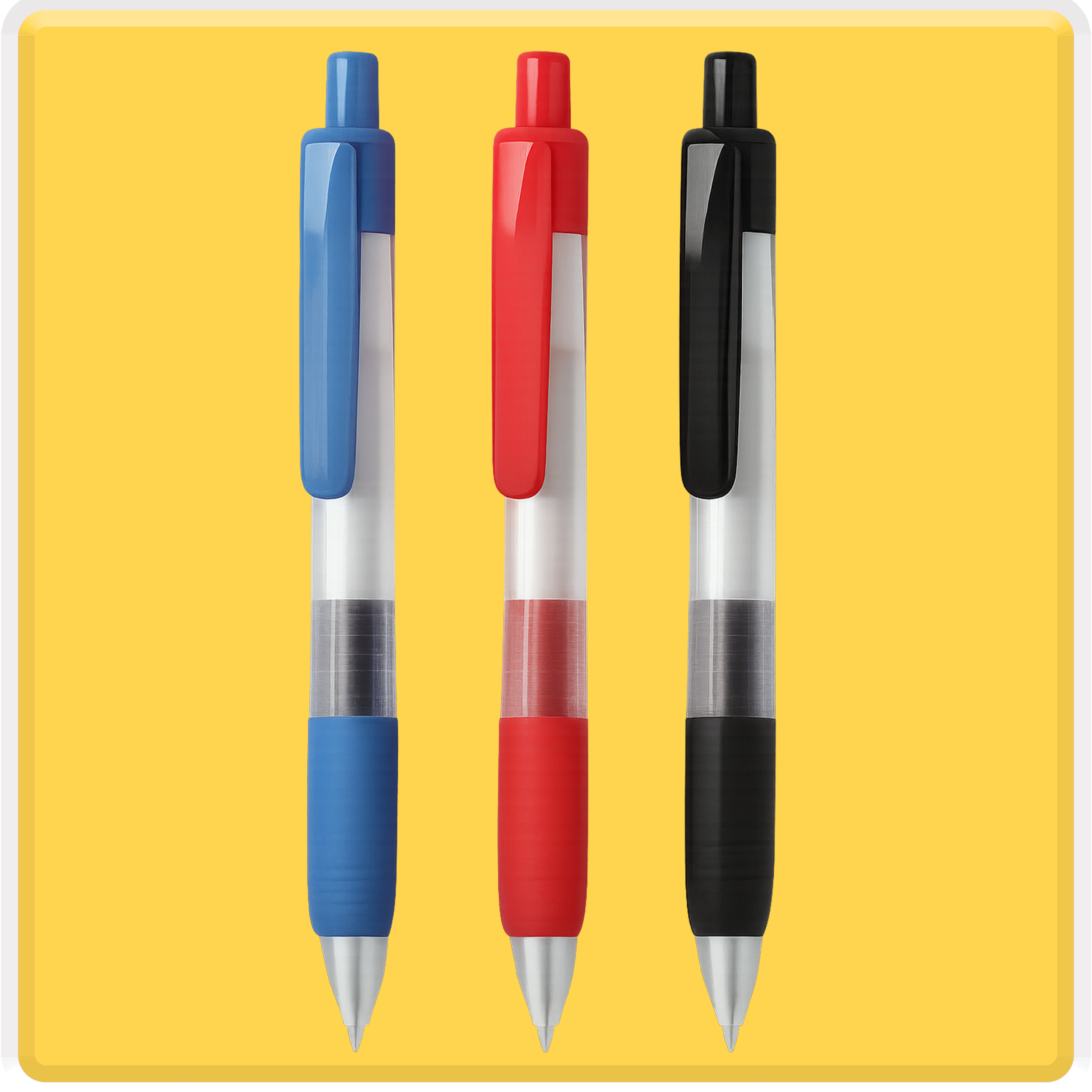

Stationery has become much more than a collection of everyday writing supplies. The right pen can change the way you take notes, a well-designed notebook can become part of your planning routine, and a thoughtfully organised desk can make creative work more enjoyable.
This evolution has also made international stationery increasingly interesting. Different countries have developed distinctive approaches to writing instruments, paper products, desk organisation and product design.
The Global Stationery Expo 2026, taking place from 11–20 September 2026, brings these different perspectives together through its Japan Hall, Korea Hall, Germany & Europe Hall and Design Hall. The Japan Hall opens on 12 September, followed by Korea Hall on 13 September, Germany & Europe Hall on 14 September, and Design Hall on 15 September.
For stationery enthusiasts, one comparison is particularly interesting: Japan vs Korea vs Germany stationery.
Japanese stationery is strongly associated with precision and functional innovation. Korean stationery brings creativity and modern desk culture into the experience. German and European stationery combines precision engineering, craftsmanship, paper expertise and established design traditions.
So which should you explore?
The answer depends on how you write, work, study, create and organise your desk.
Japan vs Korea vs Germany Stationery: What Is the Difference?
The simplest way to understand the three stationery cultures is to look at what each one does particularly well.
|
Stationery Market |
Core Characteristics |
Key Categories |
Featured Brands |
|
Japan |
Precision, functionality and writing performance |
Gel pens, fountain pens, ballpoints, refills and functional stationery |
Zebra, Pilot, Sailor, Tombow, Kokuyo, Anterique |
|
Korea |
Creativity, colour and modern desk culture |
Inks, writing products, desk essentials and creative stationery |
Colorverse, Litem, Dong-A, Mungyo |
|
Germany & Europe |
Engineering, craftsmanship and stationery heritage |
Mechanical pencils, fountain pens, notebooks, paper and art supplies |
Staedtler, Stabilo, Faber-Castell, Lamy, Leuchtturm1917, Rhodia |
|
Design |
Minimalism, materials and contemporary design |
Premium notebooks, fountain pens and design-led stationery |
Lamy, TWSBI, Ystudio, Zequenz, Leuchtturm1917, Rhodia |
This comparison should not be interpreted as a ranking. There is no universally best stationery country.
Instead, each market offers a different answer to the same question: How can stationery make writing, organisation and creativity better?
Japanese Stationery: Precision and Everyday Writing Performance
The Japan Hall at Global Stationery Expo 2026 opens on 12 September and represents one of the strongest selections for people interested in Japanese writing instruments and functional stationery.
Featured brands include Zebra, Pilot, Sailor, Tombow, Kokuyo and Anterique.
Japanese stationery is particularly appealing because of its attention to the details that affect everyday use. Writing feel, line precision, grip, portability, refill systems and practical design are all important considerations.
This makes Japanese stationery especially relevant to students, professionals, journalers and stationery enthusiasts who use their writing tools frequently.
Japanese Pens to Explore
Pens are one of the strongest categories within Japanese stationery.
The Zebra Sarasa Clip Gel Pen is a notable example of an everyday Japanese gel pen, while the Zebra Blen Ballpoint Pen provides another option for users who prefer a ballpoint writing experience.
Pilot adds the Pilot Juice Up Gel Pen, along with the Pilot Hi-Tec-C Coleto refill for users interested in refillable writing systems.
For fountain pen enthusiasts, the selection includes the Sailor Profit Junior Fountain Pen and Sailor Tuzu Adjust Fountain Pen.
Together, these products demonstrate the range of Japanese writing instruments available to explore, from practical everyday pens to more specialised fountain pen options.
Who Should Choose Japanese Stationery?
Japanese stationery is a strong choice if your priority is writing performance, precision and functionality.
It is particularly suitable for people who:
- Take detailed notes
- Prefer fine or precise writing
- Use gel pens regularly
- Enjoy Japanese fountain pens
- Like refillable writing systems
- Want practical stationery for everyday use
If your first question when choosing stationery is "How well does it write?", Japanese stationery is a natural place to begin.
Korean Stationery: Creativity and Modern Desk Culture
The Korea Hall opens on 13 September and brings a different perspective to the Global Stationery Expo 2026.
The featured selection includes Colorverse, Litem, Dong-A and Mungyo, covering writing products, inks, desk organisation and creative stationery.
Korean stationery is particularly interesting when viewed as part of a complete workspace. The product is not only expected to perform its function; it can also contribute to the look, organisation and personality of a desk.
This makes Korean stationery relevant to planners, creatives, students and people who enjoy carefully arranged workspaces.
Korean Stationery Brands to Explore
Colorverse is particularly relevant to fountain pen users and ink enthusiasts. Its selection includes products such as Project Ink and Spaceward Ink, bringing colour and ink exploration into the stationery experience.
Litem adds a desk-organisation perspective, while Dong-A and Mungyo broaden the selection into writing and creative stationery.
Together, these brands show how Korean stationery can connect writing, creativity and workspace organisation.
Who Should Choose Korean Stationery?
Korean stationery may be the better starting point if you value creative expression and desk aesthetics.
It is especially relevant if you enjoy:
- Creative desk setups
- Planning and journaling
- Desk organisation
- Fountain pen inks
- Colourful stationery
- Creative and art supplies
- Personalised workspaces
If your stationery collection is designed to make your desk both functional and visually engaging, Korea offers an interesting direction.
German & European Stationery: Precision, Craftsmanship and Heritage
The Germany & Europe Hall opens on 14 September and provides one of the broadest stationery selections within the Expo.
Featured brands include Staedtler, Stabilo, Faber-Castell, Lamy, Rotring, Pelikan, Herlitz, Leuchtturm1917 and Rhodia, alongside other European stationery brands.
German stationery is particularly associated with engineering, technical precision and functional product design. European stationery also adds strong traditions in paper, notebooks, art materials and premium writing instruments.
German Pens and Writing Instruments
Lamy represents the writing instrument side of European stationery.
The Lamy Safari Fountain Pen is an example of a writing instrument that combines everyday usability with a distinctive design identity.
This creates an interesting comparison with Japanese fountain pen brands such as Sailor. Both offer a strong stationery experience, but their design traditions and product philosophies are different.
German Mechanical Pencils
For precision writing and technical work, Staedtler is particularly relevant.
The Staedtler Graphite Mars Micro represents the mechanical pencil category and is suited to users who value consistent, controlled writing.
Mechanical pencils are especially useful for students, professionals, designers and technical users who need precision without repeatedly sharpening a wooden pencil.
European Notebooks and Paper
The Germany & Europe selection also extends beyond writing instruments.
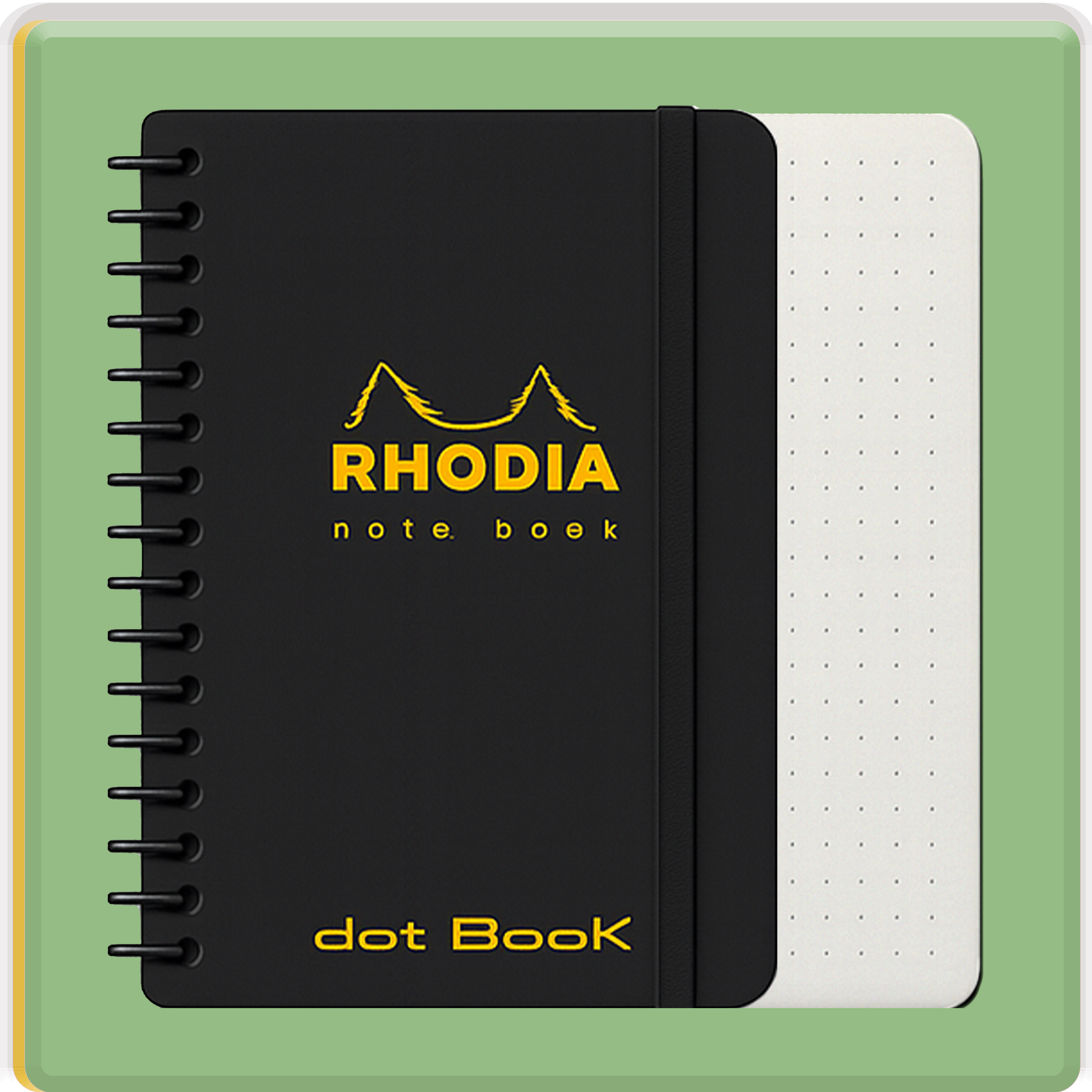
Leuchtturm1917 and Rhodia are particularly relevant for people interested in premium notebooks and paper products. Meanwhile, Faber-Castell, Pebeo and Royal Talens bring artistic and creative applications into the broader European stationery selection.
This makes the Germany & Europe Hall a strong choice for anyone looking beyond pens and into a complete writing or creative system.
Japan vs Korea vs Germany: Comparing the Main Products
The differences become easier to understand when comparing actual stationery categories.
|
Category |
Japan |
Korea |
Germany & Europe |
|
Gel Pens |
Strong focus on precision and everyday writing |
Creative and everyday writing options |
Available alongside broader writing tools |
|
Fountain Pens |
Sailor and Japanese writing tradition |
Strong ink focus through Colorverse |
Lamy and other European options |
|
Mechanical Pencils |
Functional Japanese options |
Less central to this Expo selection |
Strong focus through Staedtler and Rotring |
|
Notebooks |
Functional paper and organisational products |
Creative and lifestyle-oriented options |
Strong premium paper and notebook presence |
|
Inks |
Japanese fountain pen ecosystem |
Colorverse is a key highlight |
European fountain pen and paper ecosystem |
|
Desk Essentials |
Functional organisation |
Strong modern desk focus |
Professional and practical desk products |
|
Art Supplies |
Creative stationery options |
Mungyo and creative products |
Strong selection through Faber-Castell, Pebeo and Royal Talens |
|
Design |
Functional product design |
Contemporary and expressive |
Strong European design tradition |
The important takeaway is that the three markets are complementary rather than competing.
A stationery enthusiast can easily find a reason to explore all three.
Which Stationery Is Best for Students?
Students usually need stationery that is reliable, comfortable and practical for repeated daily use.
Japanese stationery is particularly attractive for students who prefer gel pens and precise writing instruments. Zebra and Pilot provide strong examples of everyday writing products, while Kokuyo represents the broader functional stationery ecosystem.
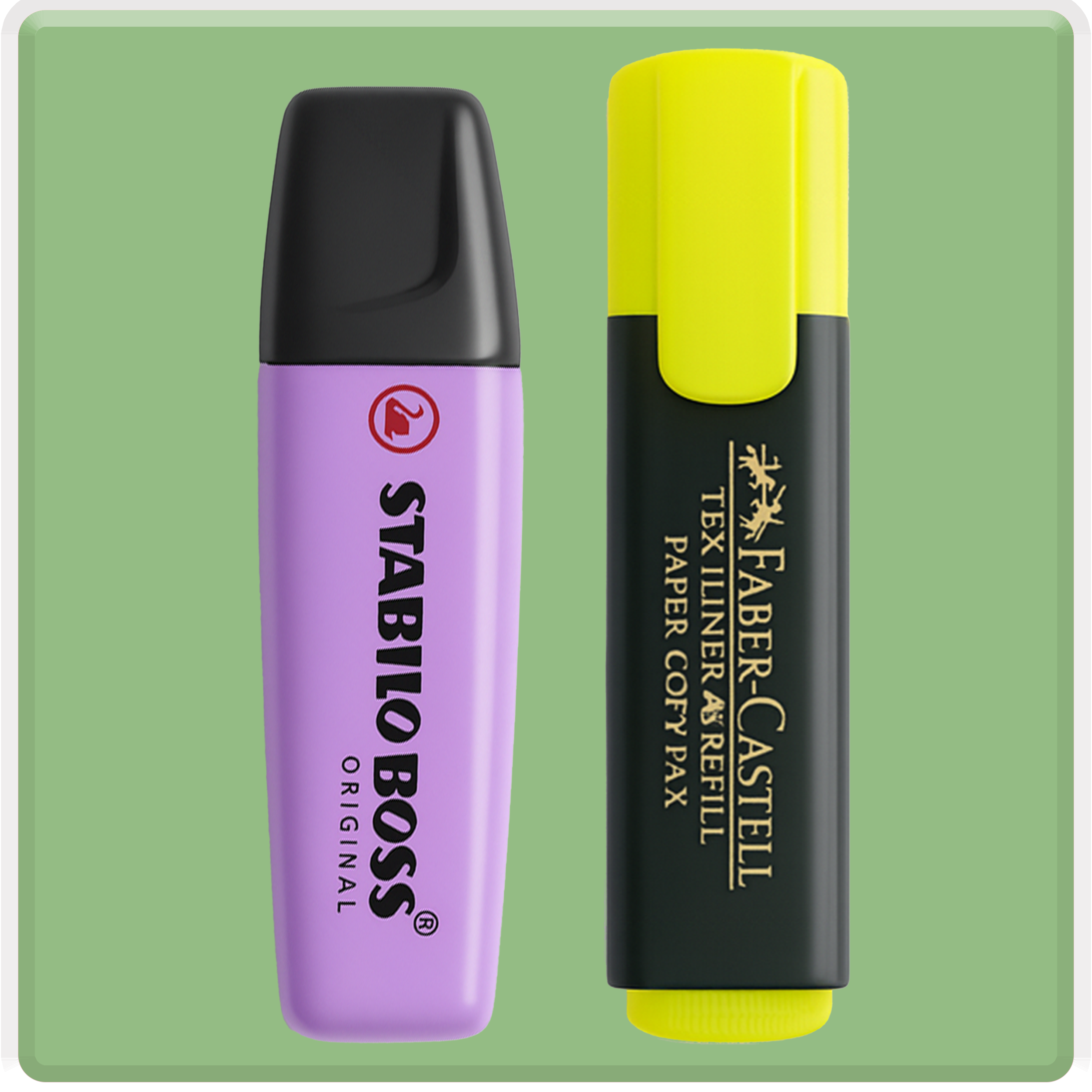
German stationery is also highly relevant, especially for students who prefer mechanical pencils, technical tools and highlighters. Staedtler and Stabilo are natural brands to explore.
Korean stationery can add another dimension for students interested in organising and personalising their study space.
The best choice ultimately depends on the student's habits. Someone who writes pages of notes may prioritise a precise gel pen, while someone who sketches diagrams may prefer a mechanical pencil.
Which Stationery Is Best for Journalers?
For journalers, the writing instrument is only one part of the experience.
The notebook, paper, ink, pen and overall design all contribute to the writing routine.
This is where the Global Stationery Expo 2026 becomes particularly interesting.
Japanese brands offer precise gel pens and fountain pens. Korean stationery contributes creative products and fountain pen inks. German and European brands such as Leuchtturm1917 and Rhodia provide premium notebook and paper options.
The Design Hall, opening on 15 September, adds another perspective with brands including Leuchtturm1917, Rhodia, Lamy, TWSBI, Ystudio and Zequenz.
For journalers, the ideal setup may therefore combine products from several stationery cultures rather than relying on one.
Which Is Best for Fountain Pen Enthusiasts?
Fountain pen users have a particularly strong reason to compare Japan, Korea and Europe.
Japan brings Sailor, with its Japanese fountain pen heritage.
Germany and Europe bring Lamy, offering a distinctive European approach to fountain pen design.
The Design Hall adds TWSBI, representing a modern design-led perspective.
Korea contributes through Colorverse, where inks become an important part of the fountain pen experience.
This creates a complete fountain pen ecosystem: pen, nib, paper and ink.
For enthusiasts, the Expo is therefore less about choosing one country and more about understanding how different stationery cultures approach the same writing experience.
Which Is Best for a Premium Desk Setup?
If your goal is to build a premium and well-organised desk, the answer becomes more balanced.
Japanese stationery can provide precise everyday writing instruments and functional products.
Korean stationery brings creativity and organisation, particularly through the desk-focused selection associated with Litem.
German and European stationery contributes premium notebooks, technical writing tools and established design.
The Design Hall brings these ideas together through its focus on minimalist stationery, contemporary writing instruments, premium notebooks and thoughtful materials.
A well-designed desk does not need to follow one country's stationery style. The strongest setup may combine products based on how each one performs.
The Role of the Design Hall
The Design Hall is important to this comparison because it moves the discussion beyond geography.
Opening on 15 September 2026, the Hall focuses on products where form, function, materials and aesthetics are central to the experience.
Featured brands include Leuchtturm1917, Rhodia, Lamy, TWSBI, Ystudio and Zequenz.
This makes the Design Hall particularly relevant to people who prefer minimalist stationery and premium products.
It also shows why modern stationery cannot always be categorised by country. A product may have European origins, modern design principles and a global audience.
The Design Hall reflects this increasingly international nature of stationery.
Japan vs Korea vs Germany: Which Should You Explore First?
The answer can be narrowed down according to your main interest.
Choose Japan if you prioritise writing performance. Japanese stationery is particularly strong for gel pens, precise writing instruments, fountain pens and functional everyday products.
Choose Korea if creativity and desk culture are important to you. Korean stationery offers inks, creative products, organisation and a contemporary workspace perspective.
Choose Germany & Europe if you value engineering and craftsmanship. This selection is particularly relevant for mechanical pencils, fountain pens, notebooks, paper and artistic materials.
Choose the Design Hall if design is as important as function. Its focus on minimalism, materials and contemporary stationery makes it especially relevant to premium stationery users.
And if you are a serious stationery enthusiast, there is little reason to choose only one.
Building Your Own International Stationery Collection
One of the biggest advantages of comparing stationery internationally is the ability to combine different strengths.
A single stationery setup could include a Zebra Sarasa Clip for everyday notes, a Sailor fountain pen for longer writing, Colorverse ink for fountain pen use, a Leuchtturm1917 notebook for journaling and a Staedtler mechanical pencil for technical work.
Each product serves a different purpose.
This is ultimately more useful than asking which country produces the best stationery. The better question is:
Which product performs the job you need it to do?
International stationery makes that choice much broader.
Explore International Stationery with Scooboo
Scooboo is participating in the Global Stationery Expo 2026, giving Indian stationery enthusiasts an opportunity to explore international stationery brands and product categories associated with the Expo.
For shoppers, this means the comparison does not have to end with the Expo Halls. You can explore stationery based on your own writing habits, creative interests and workspace requirements.
Whether you are searching for a Japanese gel pen, a Korean fountain pen ink, a German mechanical pencil, a European premium notebook or a modern design-led stationery product, the different Expo themes provide a useful starting point.
Explore the international stationery selection with Scooboo and build a collection around the products you genuinely enjoy using—not simply where they come from.
Final Verdict: Japan vs Korea vs Germany Stationery
So, Japan vs Korea vs Germany stationery—which should you explore at Global Stationery Expo 2026?
There is no single winner because each stationery culture excels in a different area.
Japan is a strong choice for precision, writing performance and functional innovation.
Korea is particularly interesting for creativity, inks, desk organisation and contemporary stationery culture.
Germany and Europe stand out for engineering, craftsmanship, technical stationery, premium notebooks and established stationery brands.
The Design Hall adds a fourth perspective by focusing on modern design, minimalism, materials and the relationship between form and function.
The best stationery collection may ultimately combine all of these strengths.
Choose Japanese stationery when writing precision matters. Choose Korean stationery when creativity and desk personality matter. Choose German and European stationery when engineering, craftsmanship and premium paper matter. And explore the Design Hall when you want stationery that balances design with everyday function.
The Global Stationery Expo 2026, running from 11–20 September 2026, offers an opportunity to experience these different approaches within one international stationery journey.
Japan brings precision. Korea brings creativity. Germany and Europe bring craftsmanship. Design brings them together.
Doors Open. World Inside.